You Never See the Sun Where It Actually Is — Only Where It Was 8 Minutes Ago
Light takes time to travel, so every glance into space is a glance into the past. The night sky shows stars as they were years, even millennia, ago.
Today’s hidden fact · Sunday, August 9, 2026
Voyager 1 is over 24 billion km away, so far its radio signal takes 22+ hours to arrive, sent by a transmitter weaker than a refrigerator bulb.
A football-field-sized lab, falling around Earth at 8 km every second.
Crew-12 Dragon Jessica Meir · Jack Hathaway · Sophie Adenot · Andrey Fedyaev
Shenzhou 23 Zhu Yangzhu · Zhang Zhiyuan · Lai Ka-ying
Soyuz MS-29 Pyotr Dubrov · Anna Kikina · Anil Menon
2010 FX9
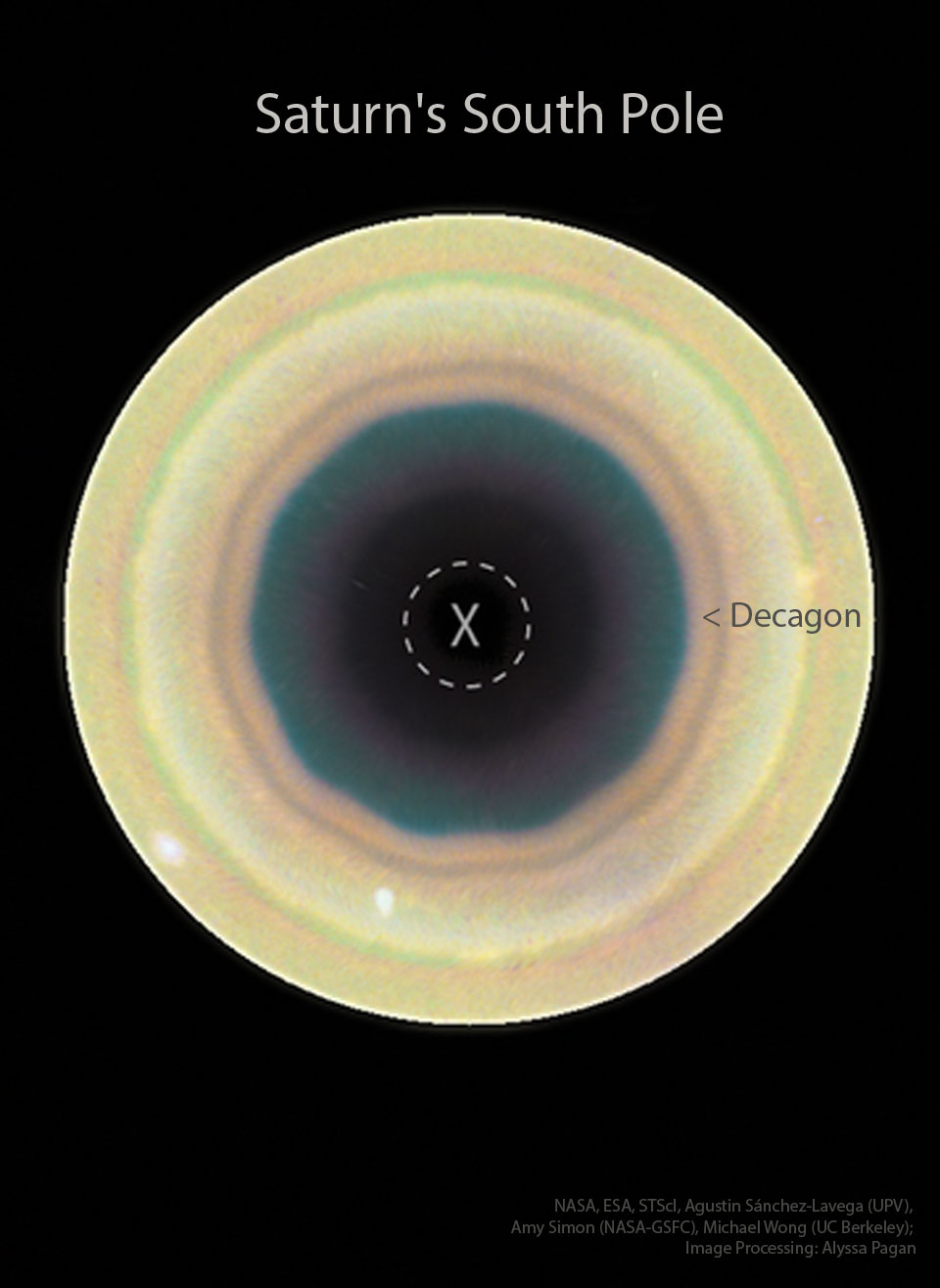
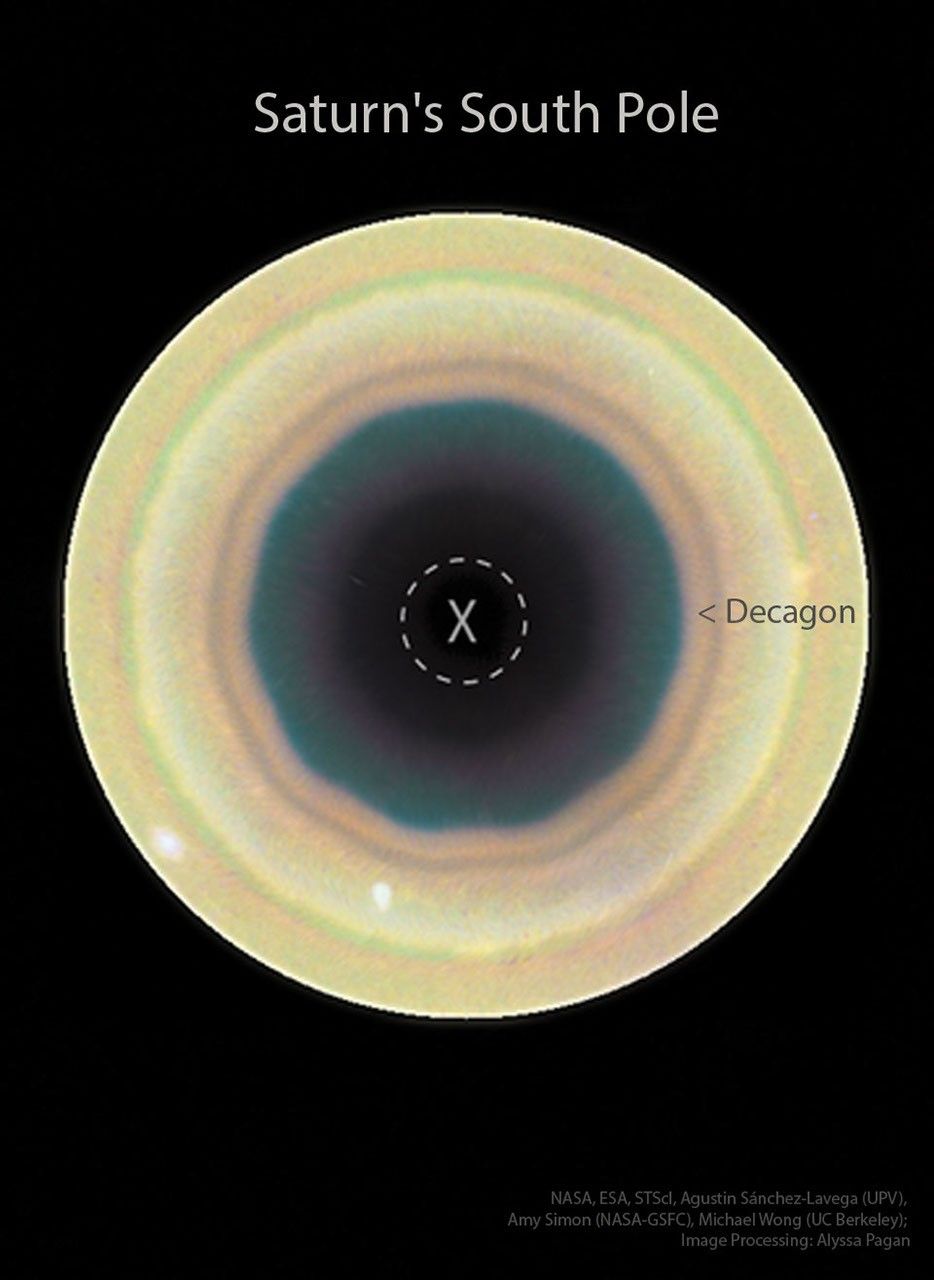
Hubble: Decagon Around Saturn's South Pole
Why are Saturn’s poles geometric? Saturn’s North Pole has been known to be surrounded by a hexagonal (6 sides) cloud since discovery in 1987 in data taken by NASA’s Voyager spacecrafts, which quickly flew past the ringed world in the early 1980s. Now, recent …
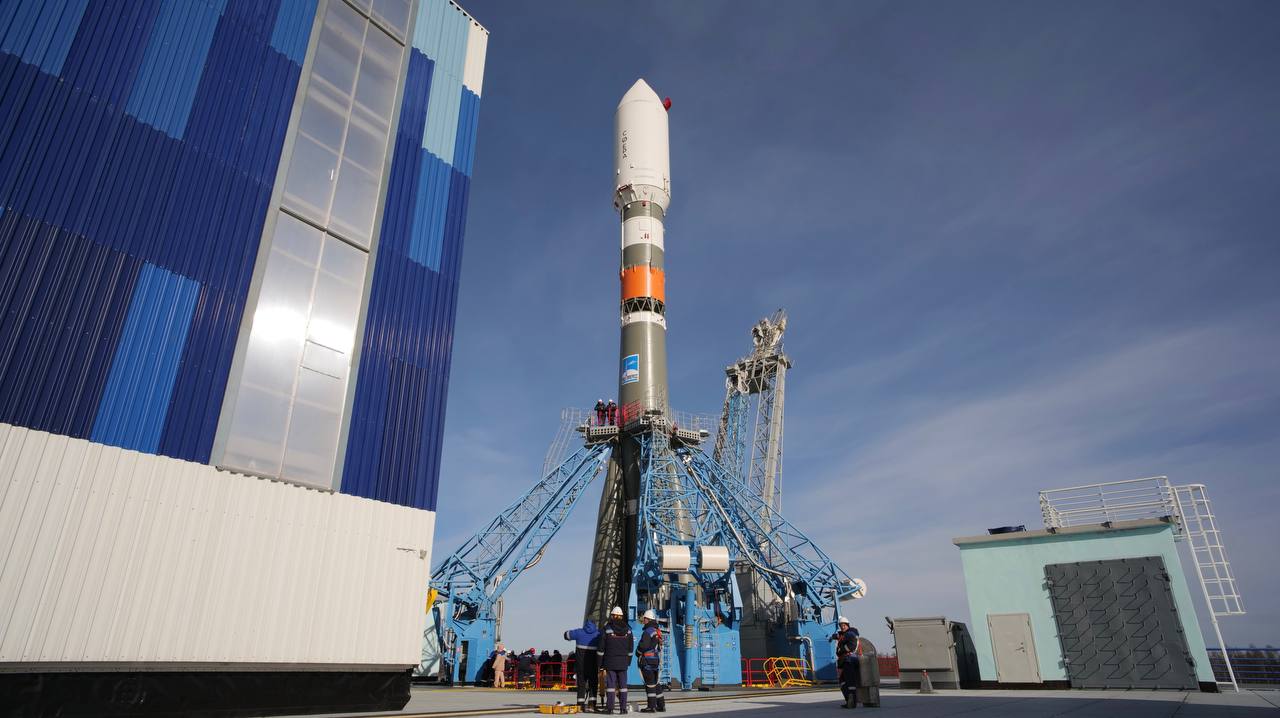
Soyuz 2.1b | Progress MS-35 (96P)
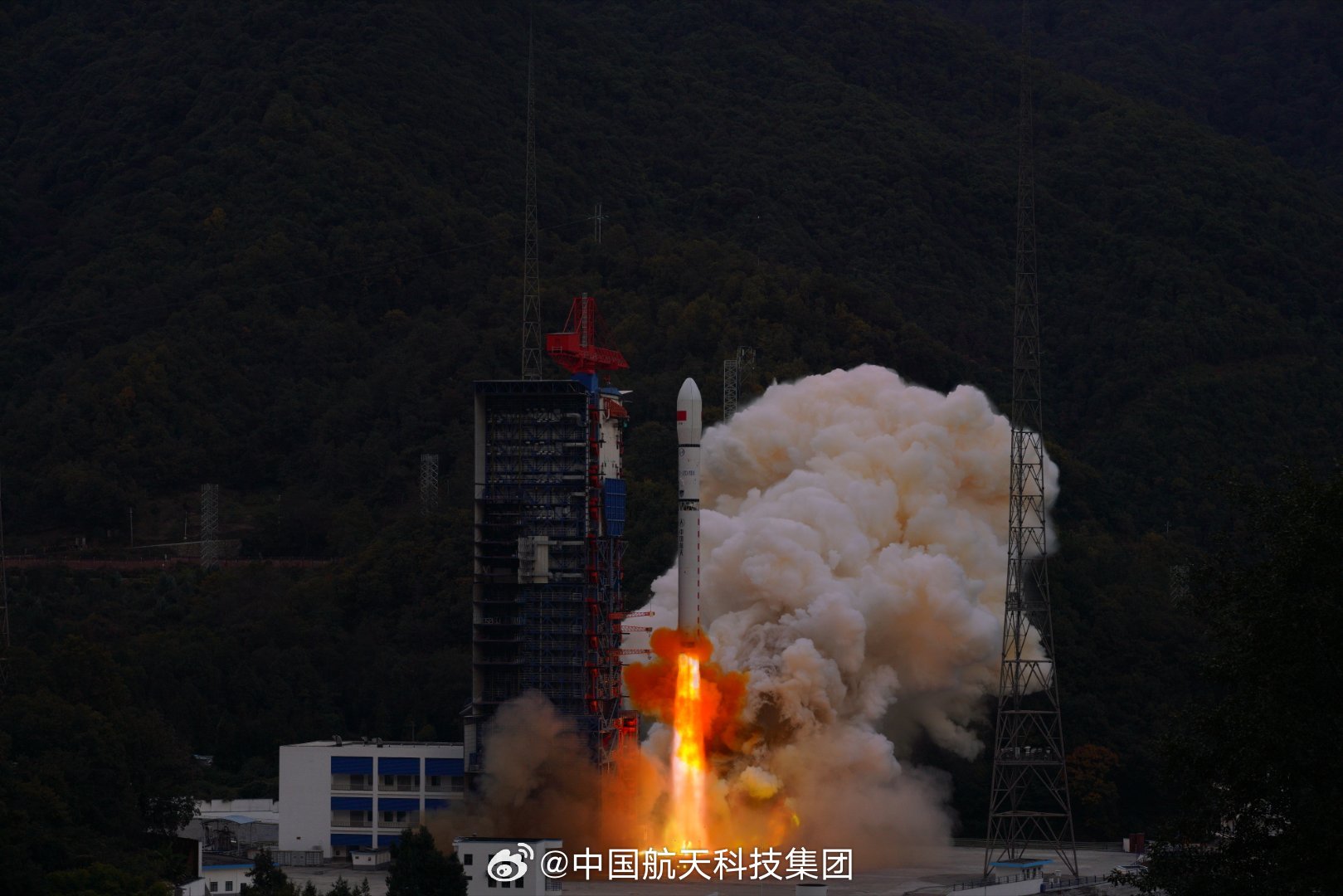
Long March 2D/YZ-3 | Unknown Payload
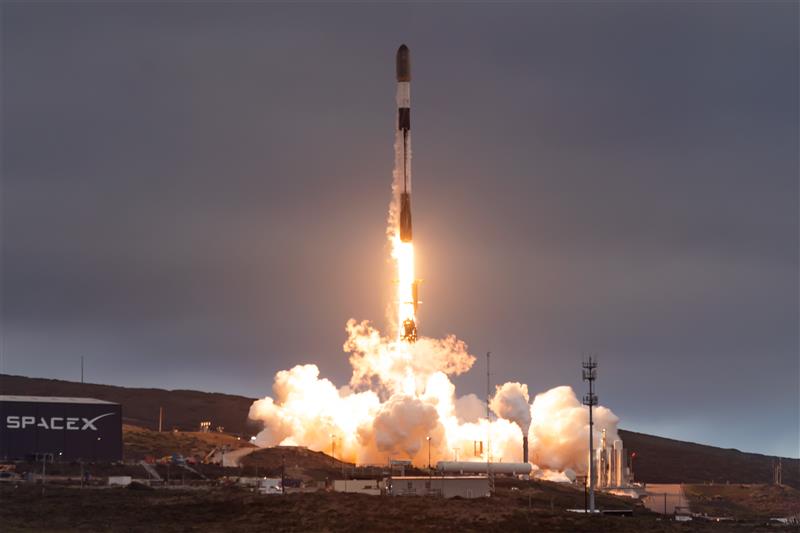
Falcon 9 Block 5 | USSF-153
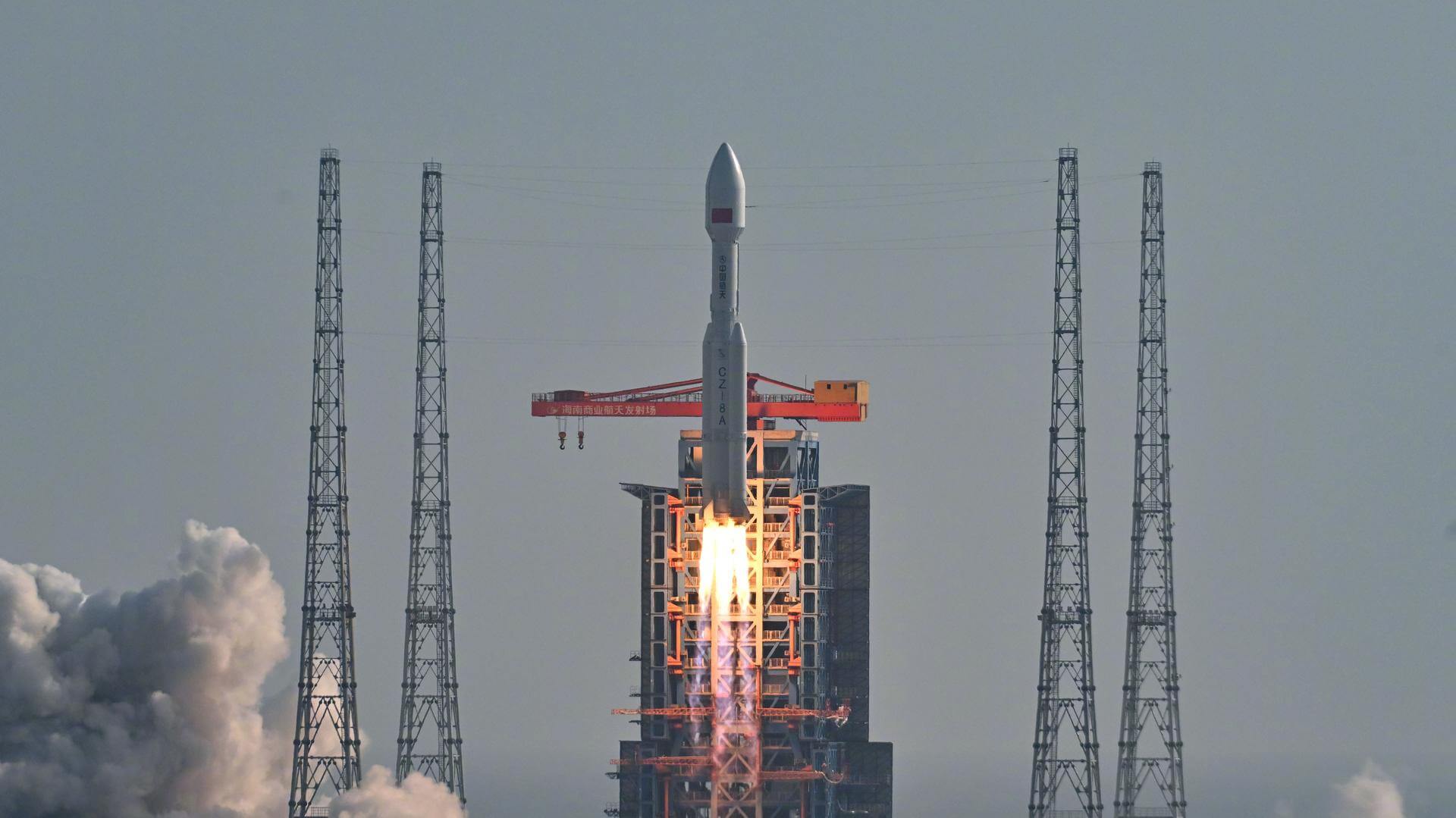
Long March 8A | Unknown Payload

Falcon 9 Block 5 | O3b mPower 11-13
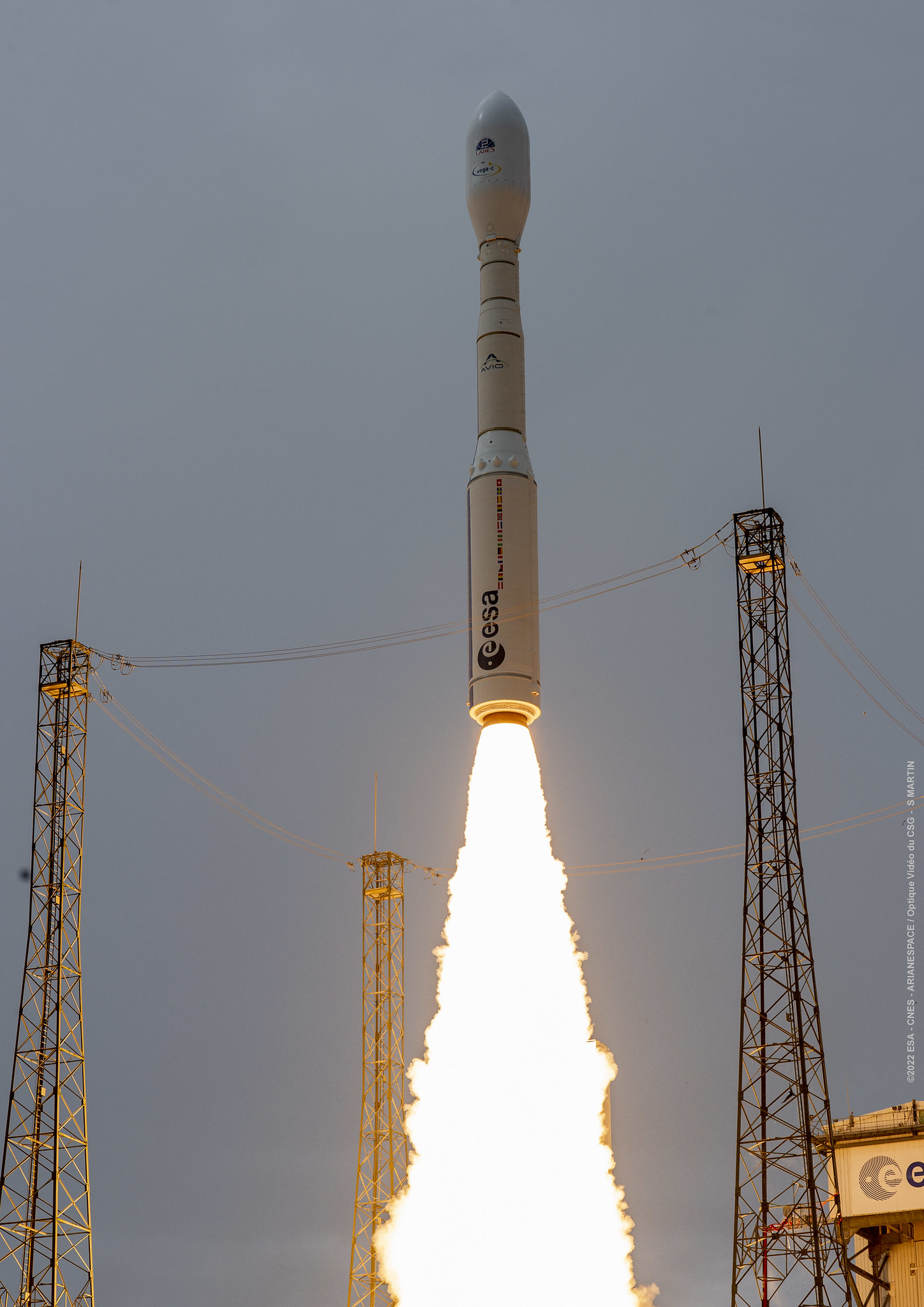
Vega-C | Sentinel-3C & FLEX
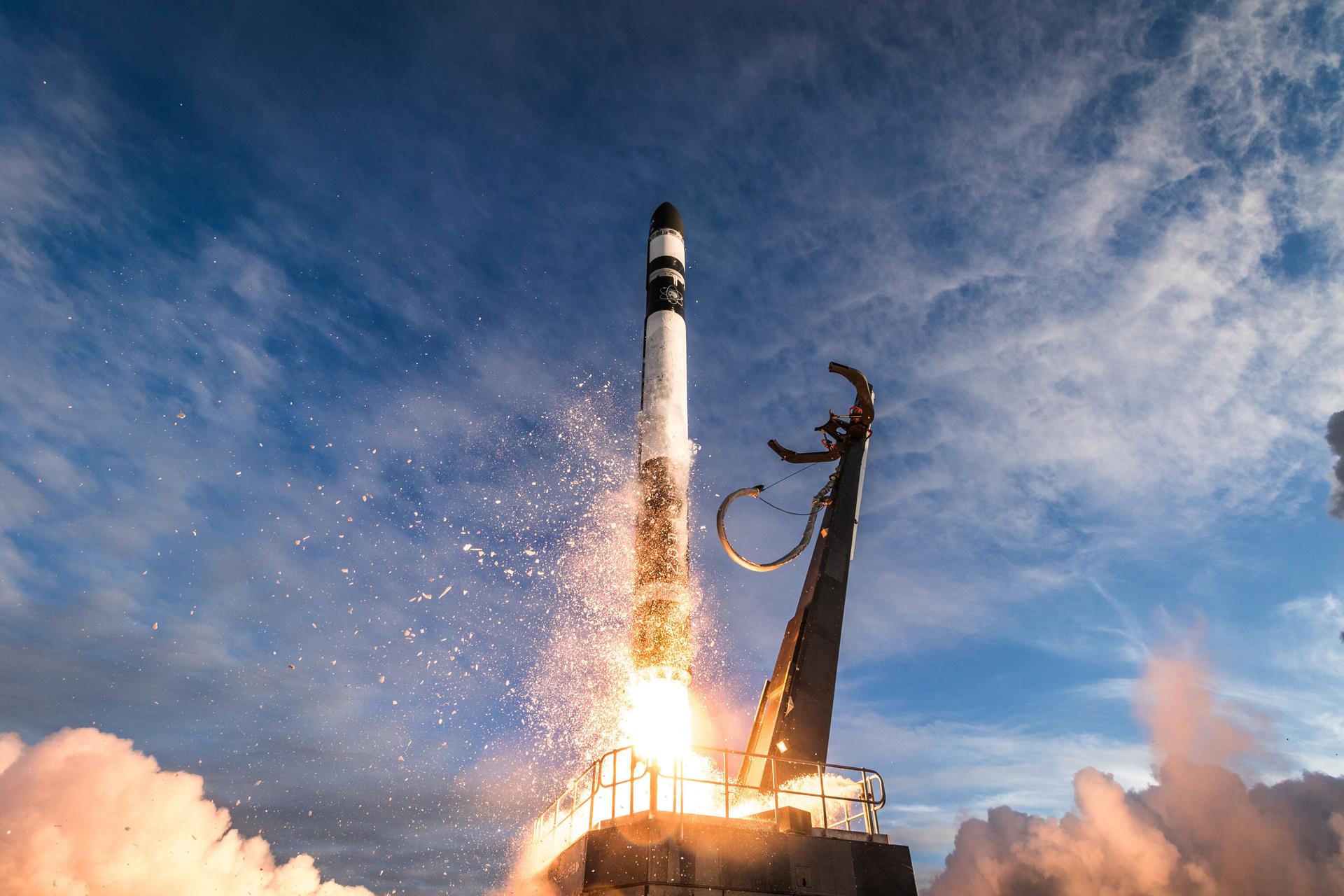
Electron | LOXSAT 1
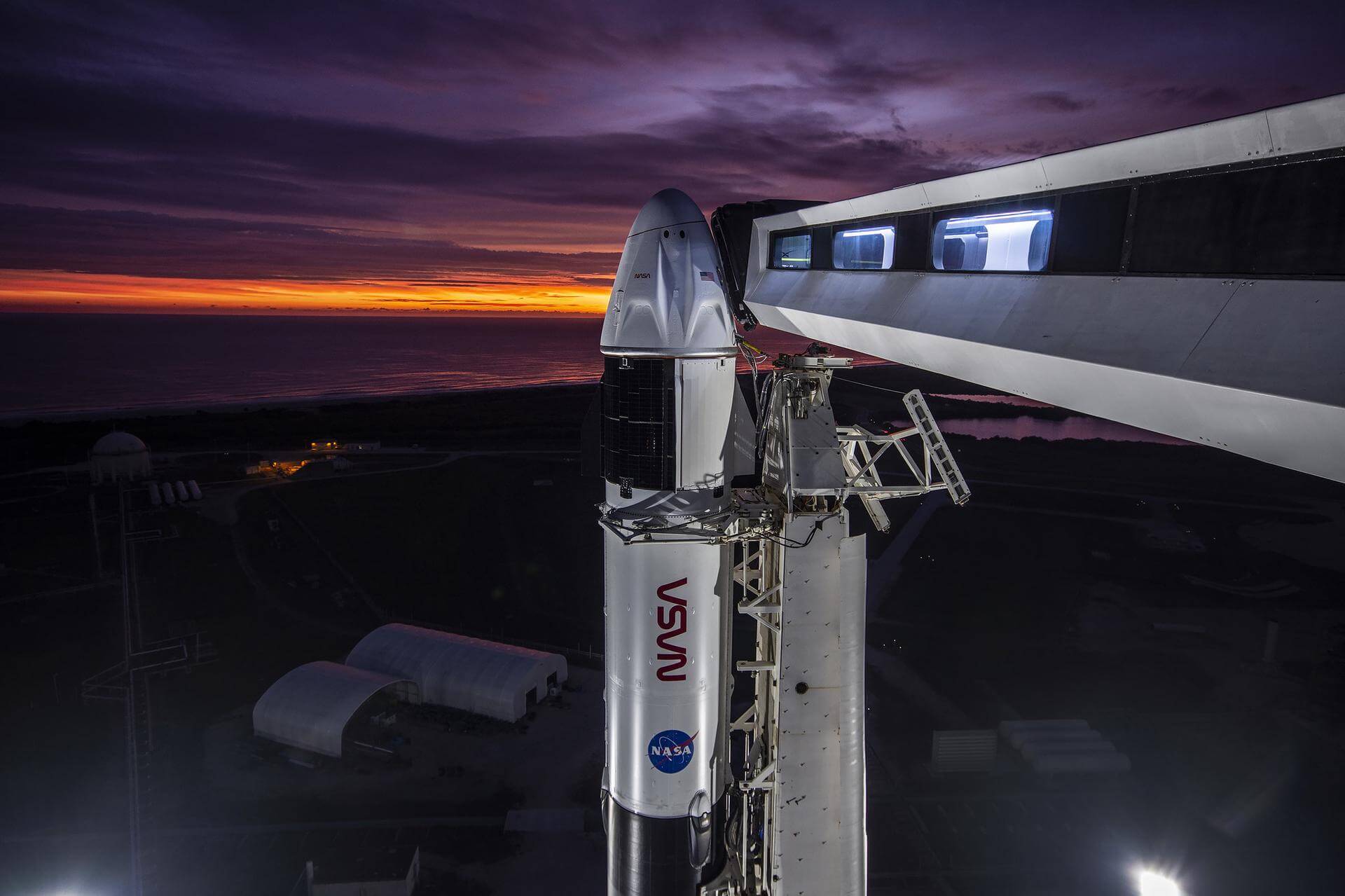
Falcon 9 Block 5 | Crew-13
Falcon 9 Block 5 | SDA Tranche 1 Transport Layer A
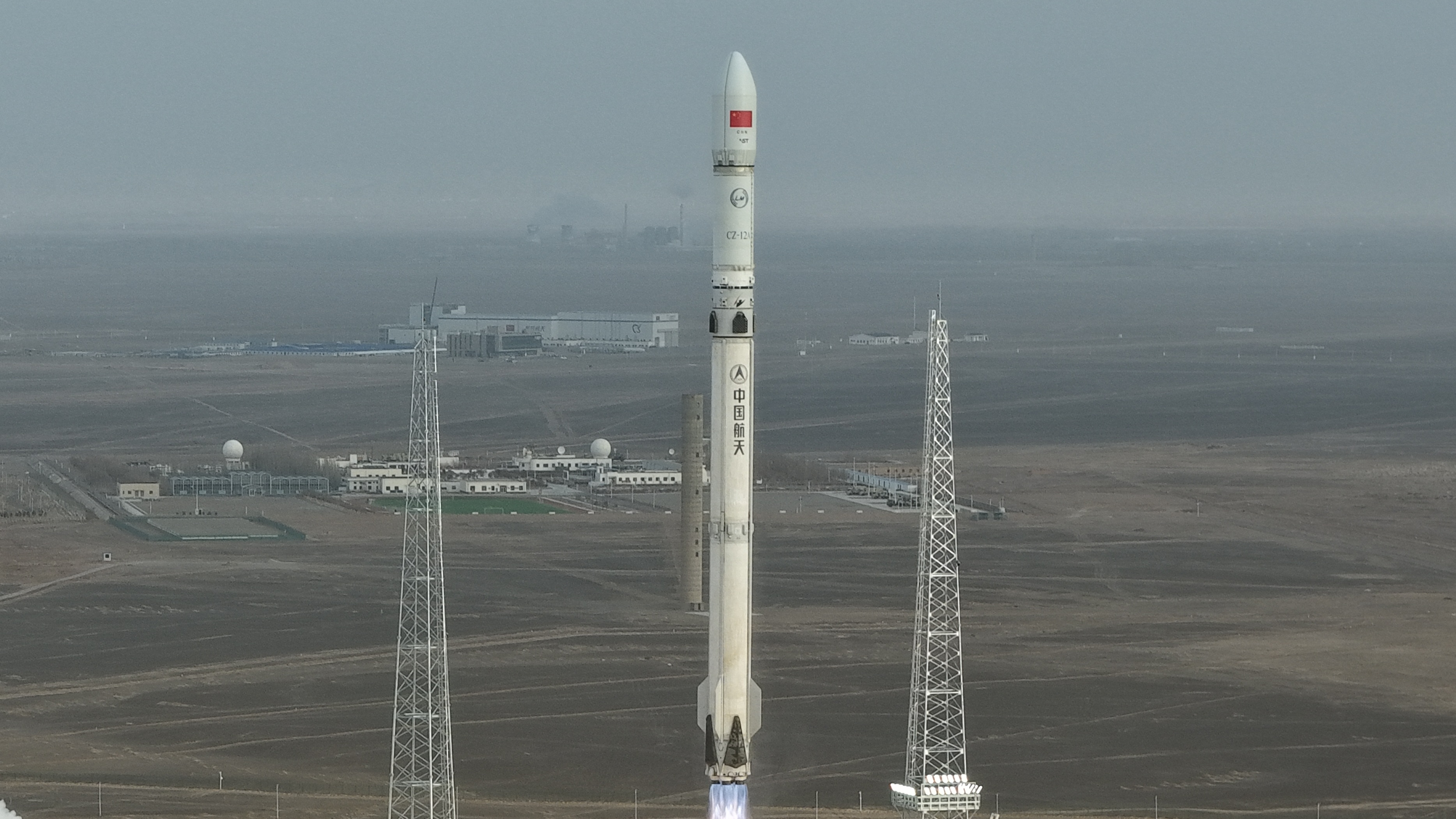
Long March 12A | Flight 2
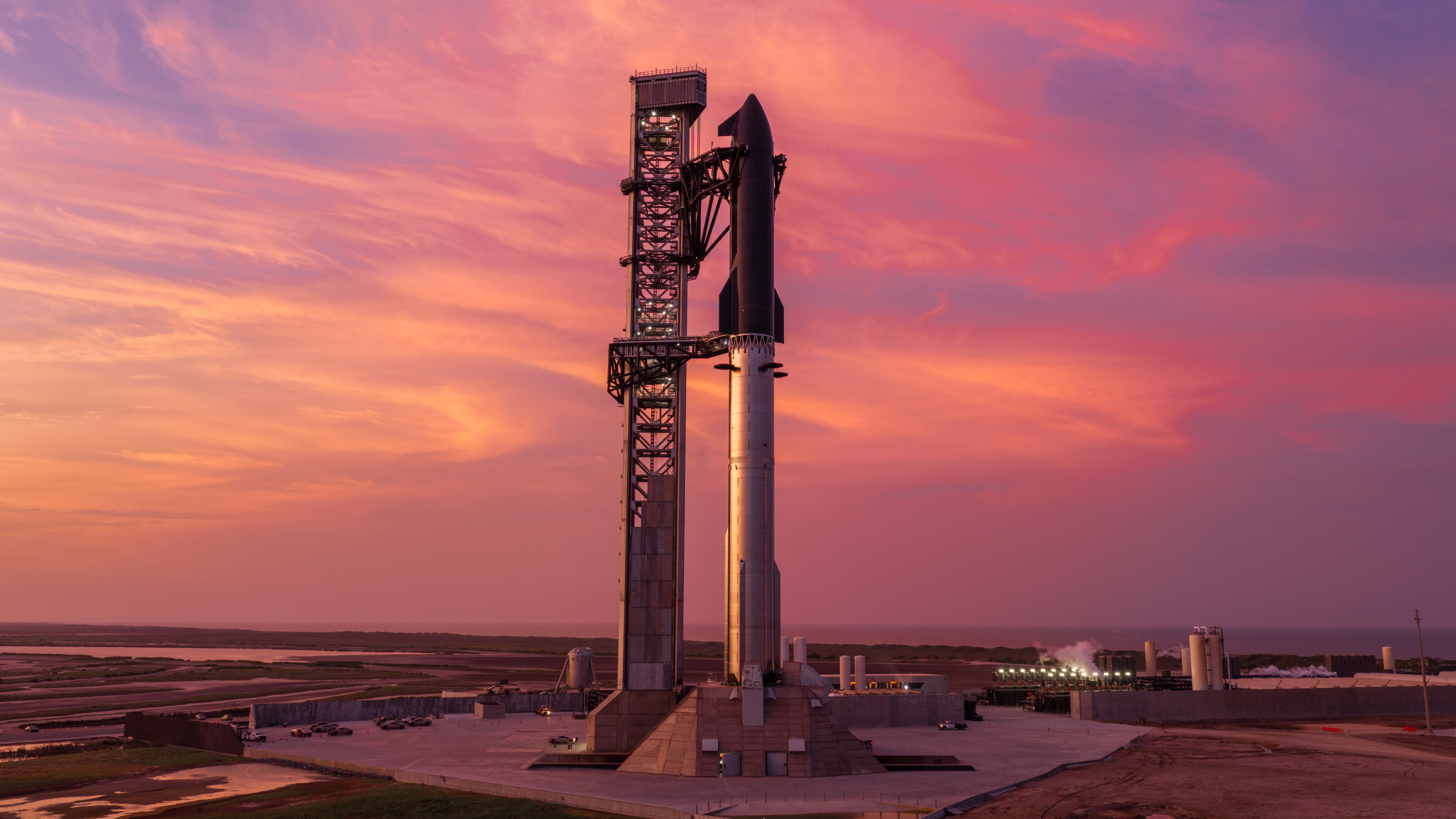
Starship | Flight 14
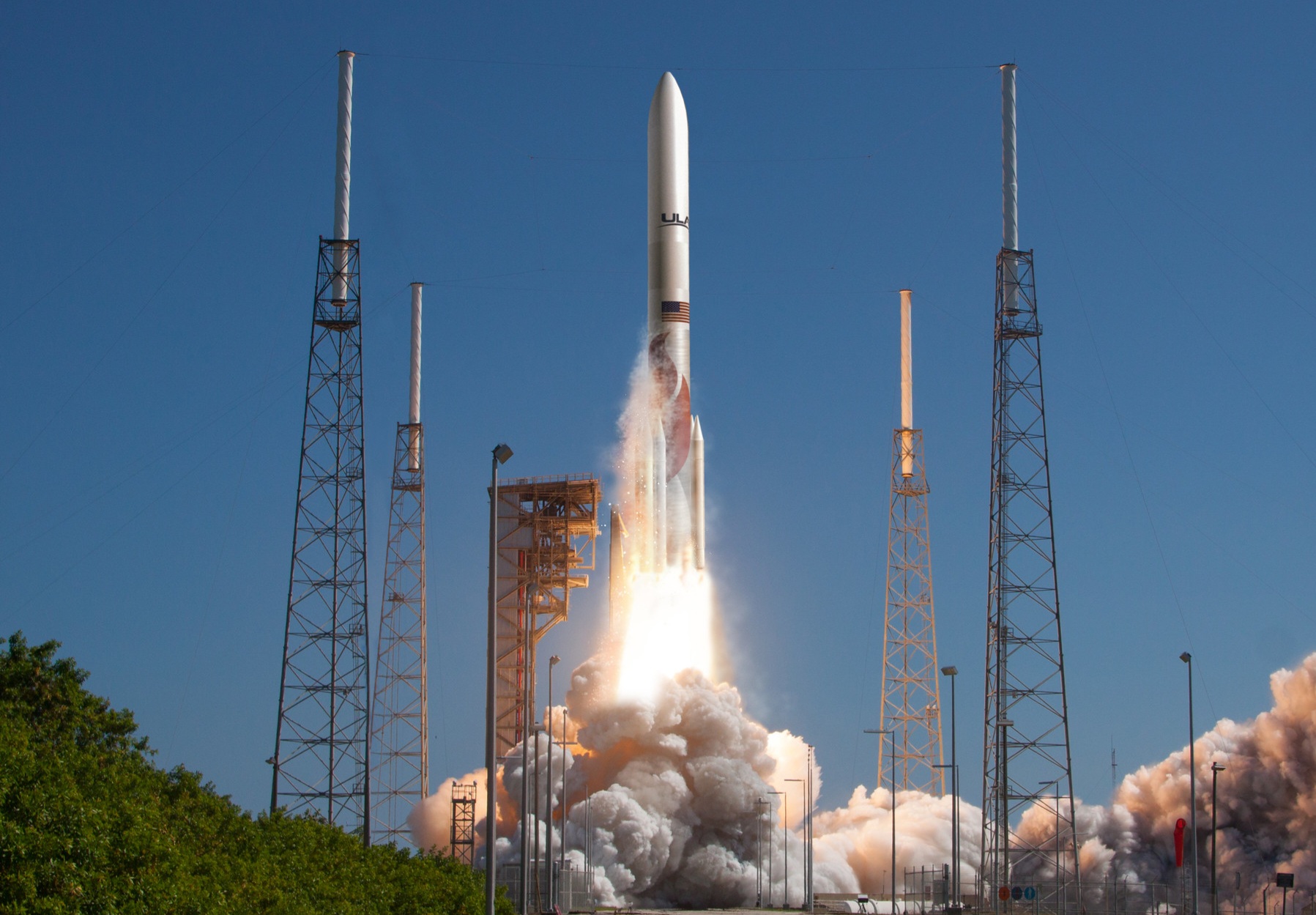
Vulcan VC6L | Amazon Leo (LV-01)
Electron | 6x HawkEye 360
Electron | BlackSky Gen-3 5
Electron | BlackSky Gen-3 6
2010 FX9
465824 2010 FRwatched by NASA
2018 VG
2014 FV32
2013 TG135
2013 OY3
NASA · today
APOD: 2026 September 8 – Hubble: Decagon Around Saturn’s South Pole
APOD Science APOD APOD: 2026 September 8 –… Today’s APOD Archive Submissions Index Search Calendar RSS Education About Discuss APOD Astronomy Picture of the Day Discover the cosm…
NASA · today
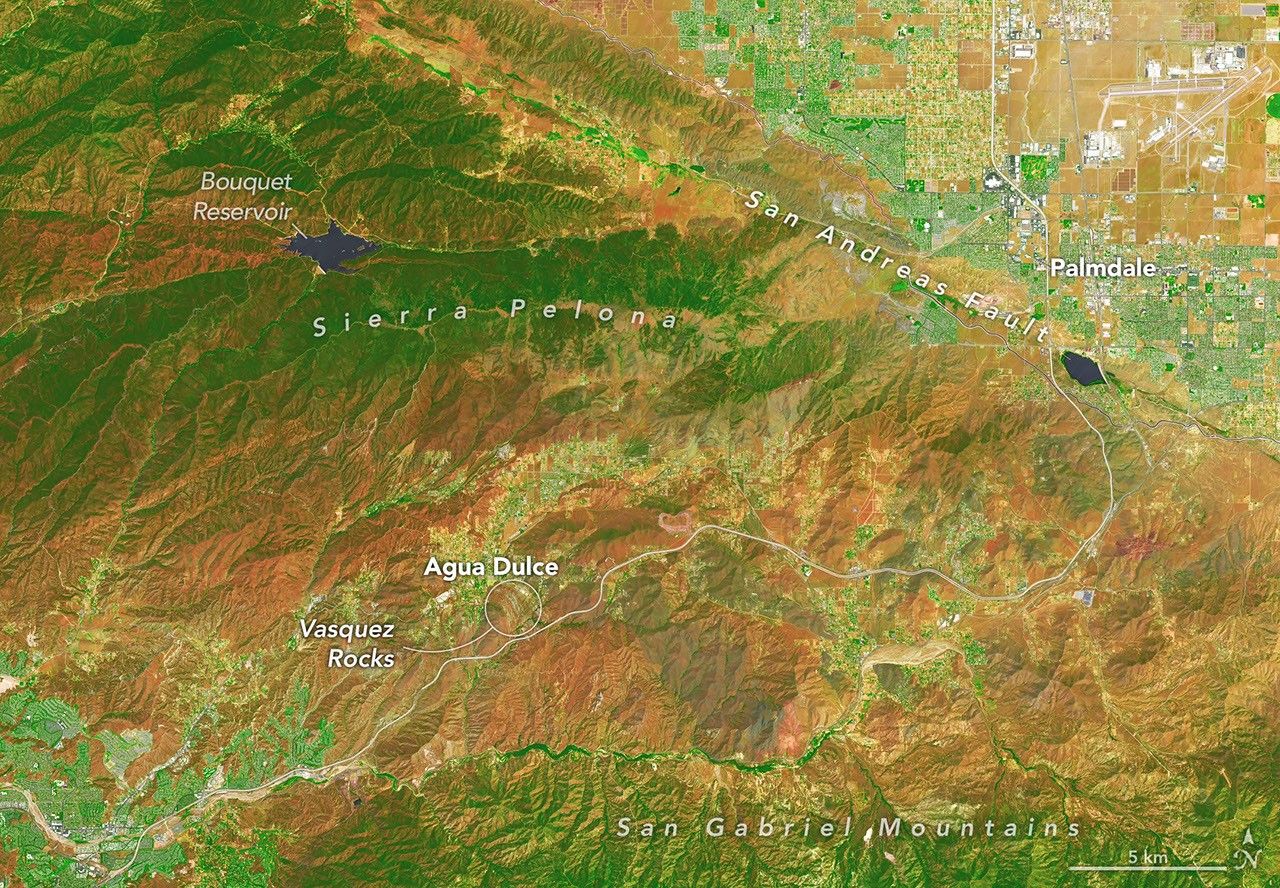
The Otherworldly Geology of Vasquez Rocks

NASASpaceflight · today
Launch Preview: Soyuz, CZ-8A, and Falcon 9 to launch from sites around the world

NASASpaceflight · today
Artemis III SLS stacking advances as Orion results confirm trajectory fix

Space Scout · today
Isar Aerospace Soars to Orbit On Historic Second Launch

ESA · today
BepiColombo begins Mercury arrival with MTM separation success

ESA · yesterday
Isar Aerospace achieves first launch to orbit from continental Europe
Scroll from your rooftop to the edge of the observable universe. Every stop is real.
Begin the voyage →The real solar system, computed from orbital mechanics. Scrub time and watch the maths.
Run the simulation →Five questions, one round a day, same for the whole planet. Build your streak.
Play today's round →Put Earth next to the Sun. Then next to a black hole. Watch your brain give up.
Compare anything →Black hole, light-year, quasar — every space term, explained like a human.
Learn the language →Light takes time to travel, so every glance into space is a glance into the past. The night sky shows stars as they were years, even millennia, ago.
In 2015 we caught two black holes colliding a billion light-years away, wobbling spacetime by less than the width of a proton. Einstein predicted it a century earlier.
The Carrington Event made auroras glow over the tropics and shocked telegraph operators. A repeat today could cripple power grids and satellites worldwide.